


Experiential Marketing vs. Brand Activation: How Do You Write the Right Brief?

By Dennis Walthers | Founder & CEO, Interactive Dallas | Author of The Experiential Advantage
Separate the campaign objective from the experience and the delivery responsibilities.
Experiential marketing describes an approach to engaging people through direct experience. A brand activation is an execution within that approach. A useful brief explains what the client wants to achieve, what the guest will do, and who owns creative decisions, technical delivery, staffing, and follow-up. Clear responsibilities matter more than agreement on a label.
Why does terminology create scope confusion?
Agencies frequently know their client and arrive with an established idea. My role is to listen, offer practical options, explain the constraints, and deliver the agreed experience. Confusion develops when a supplier is expected to own campaign strategy or product conversations that were never part of the scope.
What should the brief separate?
Ask the client to provide the theme and message, then translate them into participation and production requirements. Establish whether they need a specialist activation inside a larger program or broader campaign support. Define who approves creative work, supplies venue information, staffs the booth, and answers product questions.
One LA brief required two different kinds of problem-solving
For a Los Angeles event supporting Kong API, the client wanted two interactive LED walls. We recommended contracting locally for the displays and bringing the software and LiDAR needed for their interactive capabilities. The display supply and the interaction system were distinct responsibilities that needed to work together.
The client also described an AI video concept: a guest entering a futuristic room and interacting with a transparent interface. We developed a working Freeze-Frame model within about 10 days, then continued refining it. A later local test exposed the need to capture email before processing. That operational discovery was separate from approval of the creative idea.
How can an AI campaign portrait make the message personal?
An AI photo experience can put the guest inside an approved campaign world rather than placing a logo around a generic photograph. In Interactive Dallas’s Southwest Airlines project, the superhero treatment connected the guest image to the campaign’s creative theme. For a new brief, define the intended transformation, approve representative outputs, and decide how the printed or digital takeaway supports the next conversation.

How can a responsive LED environment make a reveal participatory?
An interactive LED environment can connect guest movement with a visual response. In Interactive Dallas’s published project, motion sensing and custom content supported responsive imagery and a hidden-reveal treatment. The practical lesson is to design the interaction and the display together. Confirm lighting, safe circulation, sensor placement, installation requirements, and the exact creative behavior before treating a screen as an interactive experience.
How can iris photography make an abstract idea tangible?
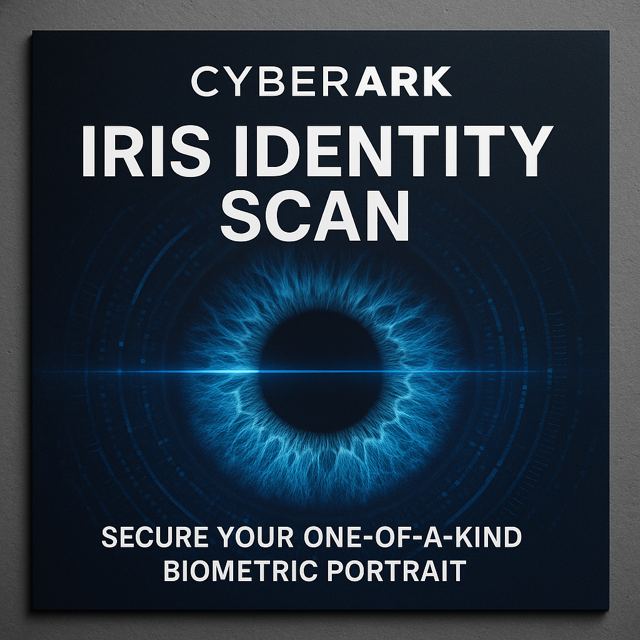
Iris photography creates a personal artwork from a close-up photograph of the guest’s eye. Interactive Dallas’s CyberArk project used that visual individuality as a storytelling connection to identity security. The portrait was a creative conversation starter, not a demonstration of authentication technology. A new campaign should establish the same clear relationship between the takeaway and the message, while explaining capture, image handling, and delivery to participants.
How can one campaign contain different activations?
A campaign brief sets the purpose. The activation brief turns it into a guest action and an operating plan. A good specialist partner can contribute ideas and technical judgment while respecting the agency’s knowledge of the client and its campaign ownership.
What should the comparison include before you book?
Write down the boundaries before comparing proposals: creative approvals, hardware supply, software development, venue dependencies, operator roles, guest delivery, and brand conversations. A prototype can help secure the project, but a real-event test may still reveal work needed before larger deployment.
Is every event experiential marketing?
No. An event is a setting or channel; its design determines whether guests have a meaningful participatory brand experience.
Can an activation partner work with an agency?
Yes. Clearly define creative ownership, technical delivery, staffing, reporting, and client communication.
How can Interactive Dallas help you plan the next step?
Interactive Dallas works with brands, agencies, and event teams to match interactive experiences to campaign goals. Share your audience, event date, venue, expected guest volume, and desired outcome so the team can recommend an appropriate creative and operating approach.
Dennis Walthers founded Interactive Dallas in 2011. His work focuses on experiential brand activations and interactive event technology. Based in Dallas, the company supports events across Texas and beyond.
Last updated: October 28, 2026.

Comments