


How Do You Measure Experiential Marketing ROI Without Confusing Activity With Revenue?

By Dennis Walthers | Founder & CEO, Interactive Dallas | Author of The Experiential Advantage
Report the evidence you have, and distinguish it from the business outcome you hope to create.
Measure experiential marketing by distinguishing production, guest engagement, business conversations, and attributable outcomes. My firsthand observations help identify what resonates, but enthusiasm and image volume alone do not prove revenue. Define the business objective and the evidence needed before the event.
Why do event reports struggle to prove value?
One team may count images, another badge scans, and another follow-up meetings. Treating these as interchangeable exaggerates what the event established. A guest trying several looks can generate several outputs, so even a reliable photo count is not automatically a unique-person count.
What should the measurement plan include?
Agree on metric definitions and owners. Record completed outputs, unique participants when actually tracked, relevant conversations, follow-up requests, and downstream outcomes supported by the client’s systems. Qualitative observations belong in the report too, provided they are clearly described as observations.
What our Iris results establish—and what they do not
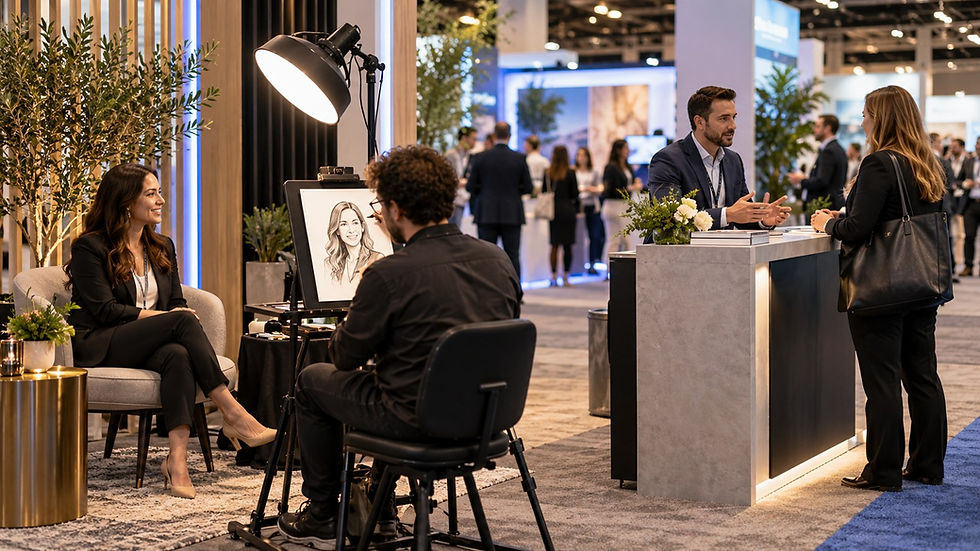
At an apartment-industry trade show, we produced about 400 Iris Photography photos during five hours. Before the event, we coordinated with two exhibitor employees: one scanned badges and started conversations in the line; another helped guests share and print afterward. The photo count describes production, while the staff interaction describes how engagement was supported.
At a D Magazine Best Of event, an ophthalmologist later emailed about bringing the activation to an open house, and another eye doctor asked about an office event. Those are specific expressions of interest, not evidence of completed bookings or attributed sales. Reporting that distinction makes the case study more useful.
How can iris photography make an abstract idea tangible?
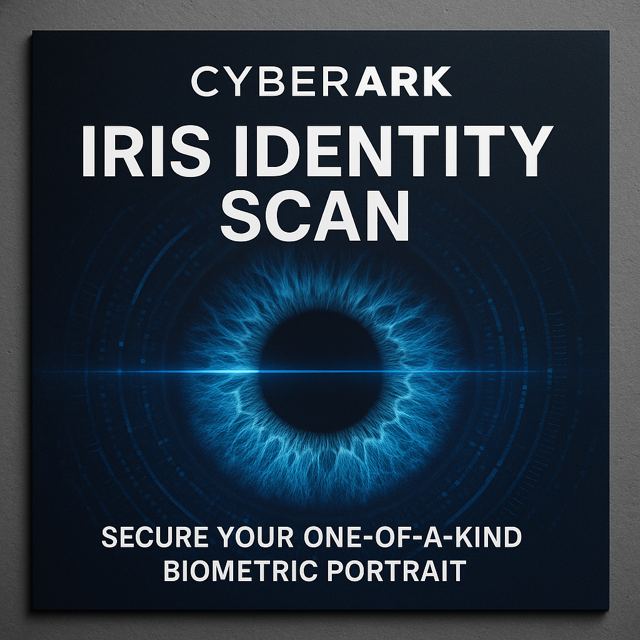
Iris photography creates a personal artwork from a close-up photograph of the guest’s eye. Interactive Dallas’s CyberArk project used that visual individuality as a storytelling connection to identity security. The portrait was a creative conversation starter, not a demonstration of authentication technology. A new campaign should establish the same clear relationship between the takeaway and the message, while explaining capture, image handling, and delivery to participants.

How can an AI campaign portrait make the message personal?
An AI photo experience can put the guest inside an approved campaign world rather than placing a logo around a generic photograph. In Interactive Dallas’s Southwest Airlines project, the superhero treatment connected the guest image to the campaign’s creative theme. For a new brief, define the intended transformation, approve representative outputs, and decide how the printed or digital takeaway supports the next conversation.
How can digital graffiti give guests creative ownership?
Digital graffiti changes the guest’s role from observer to creator. Interactive Dallas’s Nissan campus campaign connected touchscreen artwork with a vehicle through projection mapping, letting participants see their own contribution within the brand environment. That project illustrates a useful design principle: make the product or message part of the action. A new installation needs its own creative assets, display plan, operating footprint, and permissions.
What can each activation help measure?
I also watch guests show friends their results, compare images, and invite others over. Those behaviors indicate interest in the experience. To establish a commercial result, connect them to separately recorded conversations, inquiries, meetings, bookings, or revenue with a stated attribution method.
What should the comparison include before you book?
Use a scorecard with four columns: what was produced, what guests did, what the brand’s team did next, and what business result was verified. Leave unknown fields unknown. The hypothetical calculation below is a teaching example and should not be confused with our actual 400-photo event.
What would a sample scorecard look like?
Hypothetical only: 400 eligible visitors, 160 unique participants, and 24 qualified conversations imply a 40% participation rate and a 15% participant-to-qualified-conversation rate. These are teaching figures, not Interactive Dallas results.
Can you measure brand recall?
Yes, through a properly designed survey or research method. A post-event impression is not a substitute for measured recall.
How can Interactive Dallas help you plan the next step?
Interactive Dallas works with brands, agencies, and event teams to match interactive experiences to campaign goals. Share your audience, event date, venue, expected guest volume, and desired outcome so the team can recommend an appropriate creative and operating approach.
Dennis Walthers founded Interactive Dallas in 2011. His work focuses on experiential brand activations and interactive event technology. Based in Dallas, the company supports events across Texas and beyond.
Last updated: October 28, 2026.

Comments