


Where Does AI Add Value to Experiential Marketing Beyond the Wow Moment?

By Dennis Walthers | Founder & CEO, Interactive Dallas | Author of The Experiential Advantage
AI is valuable when it improves the result or removes a real delivery bottleneck.
AI adds value to experiential marketing when it makes a guest result more personal or helps an experience work better in a live setting. At Interactive Dallas, it has enabled new formats and improved existing workflows. The useful comparison is the guest experience and the complete production process, not simply whether AI appears in the concept.
Why can an AI activation feel disconnected from the brand?
A striking AI demo can disguise slow delivery, inconsistent outputs, or unnecessary choices. An experience must also work when guests arrive in succession and staff need to keep moving. The operational benefit should be as clear as the visual effect.
What should a useful AI brief contain?
Define the intended transformation, approve examples, and test capture, processing, quality review, and delivery together. Give the operator a clear response when someone blinks or the output needs another attempt. Test the actual application workflow, because the capabilities available through an API may differ from those available in a model’s consumer interface.
Iris Photography: improve the slowest stage first
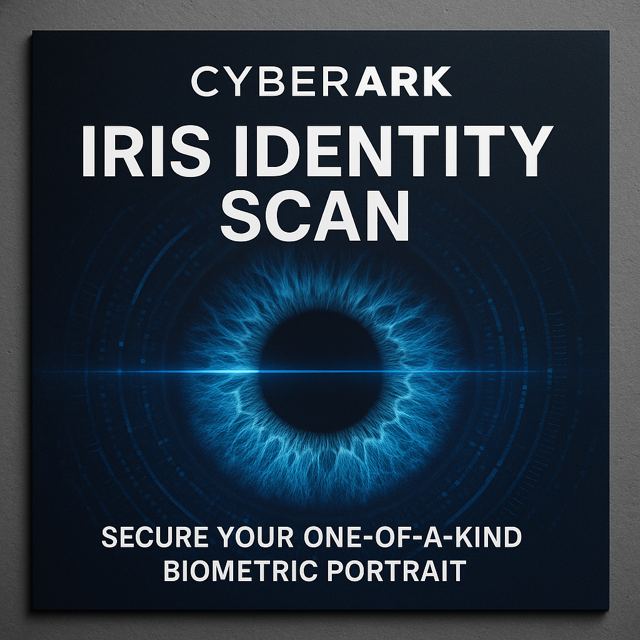
When we first offered Iris Photography, human editors used Photoshop at the event. I could capture an eye photograph roughly every minute, but editing could take about 10 minutes per image. Faster capture alone could not solve that mismatch. In our current workflow, the edit starts automatically after capture and takes about 35 seconds.
These are my operating estimates for our workflows, rather than universal benchmarks. I still judge the capture: if I suspect a blink, I can inspect the image or wait for the processed result and retake it. Automation speeds up delivery; the operator still needs to recognize when the source image is unsuitable.
How can an AI campaign portrait make the message personal?
An AI photo experience can put the guest inside an approved campaign world rather than placing a logo around a generic photograph. In Interactive Dallas’s Southwest Airlines project, the superhero treatment connected the guest image to the campaign’s creative theme. For a new brief, define the intended transformation, approve representative outputs, and decide how the printed or digital takeaway supports the next conversation.

How can personalized fan imagery connect identity and sponsorship?
A fan transformation can let participants see themselves within an approved team or event story. Interactive Dallas’s Dallas Cowboys case study at The Star in Frisco describes personalized jersey imagery with guest-selected details. For another campaign, treat rights, branding approval, spelling accuracy, and delivery as production requirements. A previous project demonstrates the creative approach; it does not grant permission to reuse team or sponsor assets.
How can ZOOMED! connect an individual with the larger event?
ZOOMED! uses synchronized wide and close-up images to create a cinematic zoom-reveal video. Its storytelling role is to show both the setting and the person within it. It is an option to evaluate for suitable large-event or sponsor environments, rather than a substitute for every photo station. Review sightlines, capture positions, operating space, delivery, and the actual event configuration before including it in a production plan.
How do the outputs differ?
We have also developed AI Palm Reading, The Day You Were Born, Freeze-Frame, and ZOOMED. Each serves a different guest purpose. An individual video, a personal newspaper, and an edited iris image should be evaluated on their own output and workflow requirements.
What should the comparison include before you book?
Ask what AI changes in practical terms: quality, relevance, processing time, operator effort, or delivery. Request a demonstration of the actual event configuration, including retries. A faster processing stage is useful only if another part of the journey does not become the new bottleneck.
Should every event experience use generative AI?
No. Use it where transformation or personalization adds something the audience values. Other interactive formats may fit better.
How should teams evaluate AI output quality?
Review brand accuracy, recognizable subjects, visual consistency, delivery reliability, and the process for correcting unsuitable results.
How can Interactive Dallas help you plan the next step?
Interactive Dallas works with brands, agencies, and event teams to match interactive experiences to campaign goals. Share your audience, event date, venue, expected guest volume, and desired outcome so the team can recommend an appropriate creative and operating approach.
Dennis Walthers founded Interactive Dallas in 2011. His work focuses on experiential brand activations and interactive event technology. Based in Dallas, the company supports events across Texas and beyond.
Last updated: October 28, 2026.
Comments